Clear, written findings
You receive a straightforward summary of what was observed, where it was found, and what conditions likely caused it.
Mold Inspection · Cincinnati, Ohio
Get a careful, room-by-room assessment, clear findings you can act on, and practical next steps for your home or building before you commit to any work.
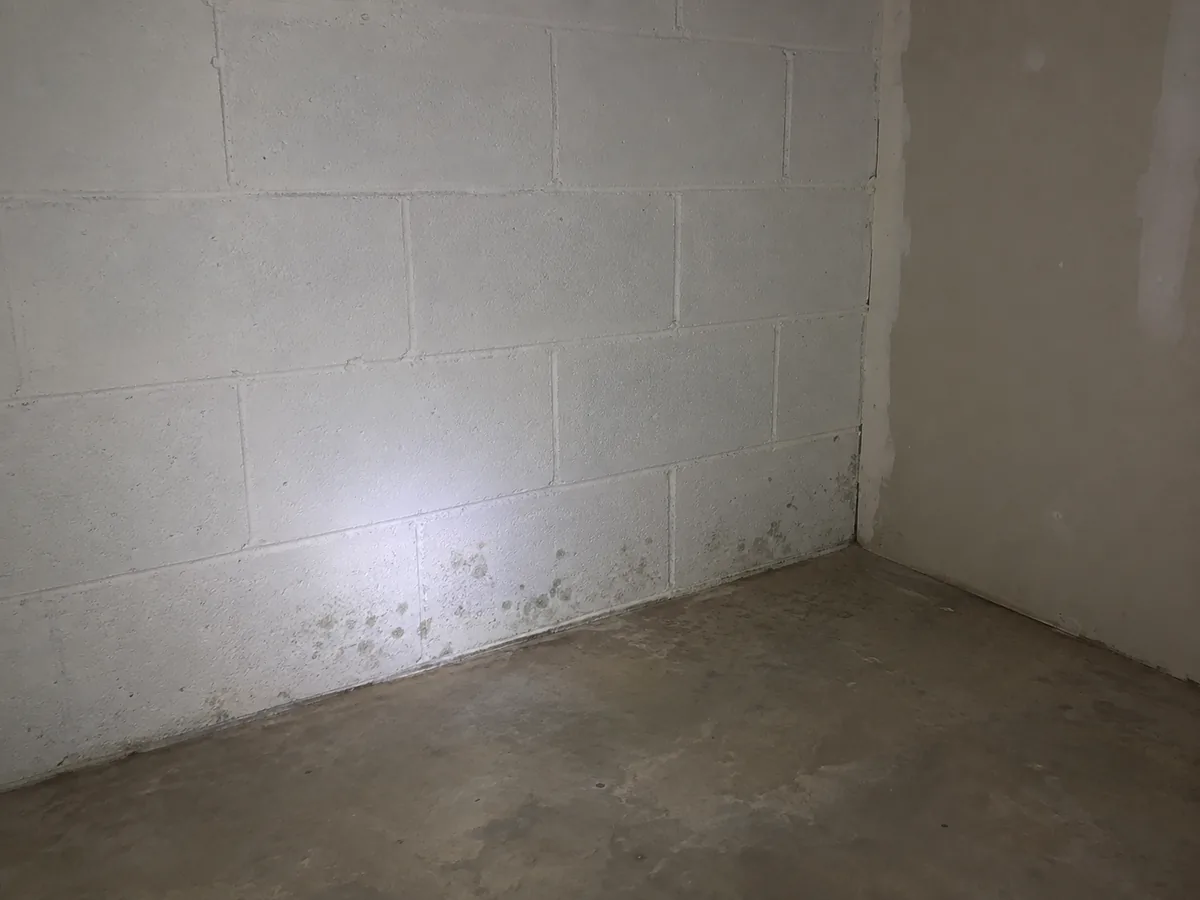
Scope and warning signs
A good mold inspection should do more than confirm that something looks suspicious. It should answer: where the moisture is coming from, what materials are affected, how far the conditions extend beyond what you can see, and what to do next.
Most Cincinnati properties deal with humid summers and wet weather that can keep building materials damp longer than you expect. Basements, crawlspaces, attic corners, and areas around HVAC equipment are common places for mold-friendly conditions because they can trap moisture and have limited airflow, sometimes leading to a need for Cincinnati mold removal.
A professional mold inspection Cincinnati homeowners trust usually starts with your concerns—musty odor, visible spotting, a recent leak, or a slow plumbing drip—and turns those observations into a documented plan. You should walk away with a written summary of findings, photo documentation, and guidance on what fixes matter most so you are not guessing at the scope.
Inspection details
Cincinnati Mold Removal approaches inspections like a building investigation. Mold is a symptom; moisture is the driver. During a visit, we focus on building conditions and the places moisture hides.
Typical inspection checkpoints
If lab testing is appropriate for your situation, we will explain what it can and cannot tell you and how it changes next-step decisions. The goal is clarity: what is affected, why it is happening, and what a reasonable plan looks like.
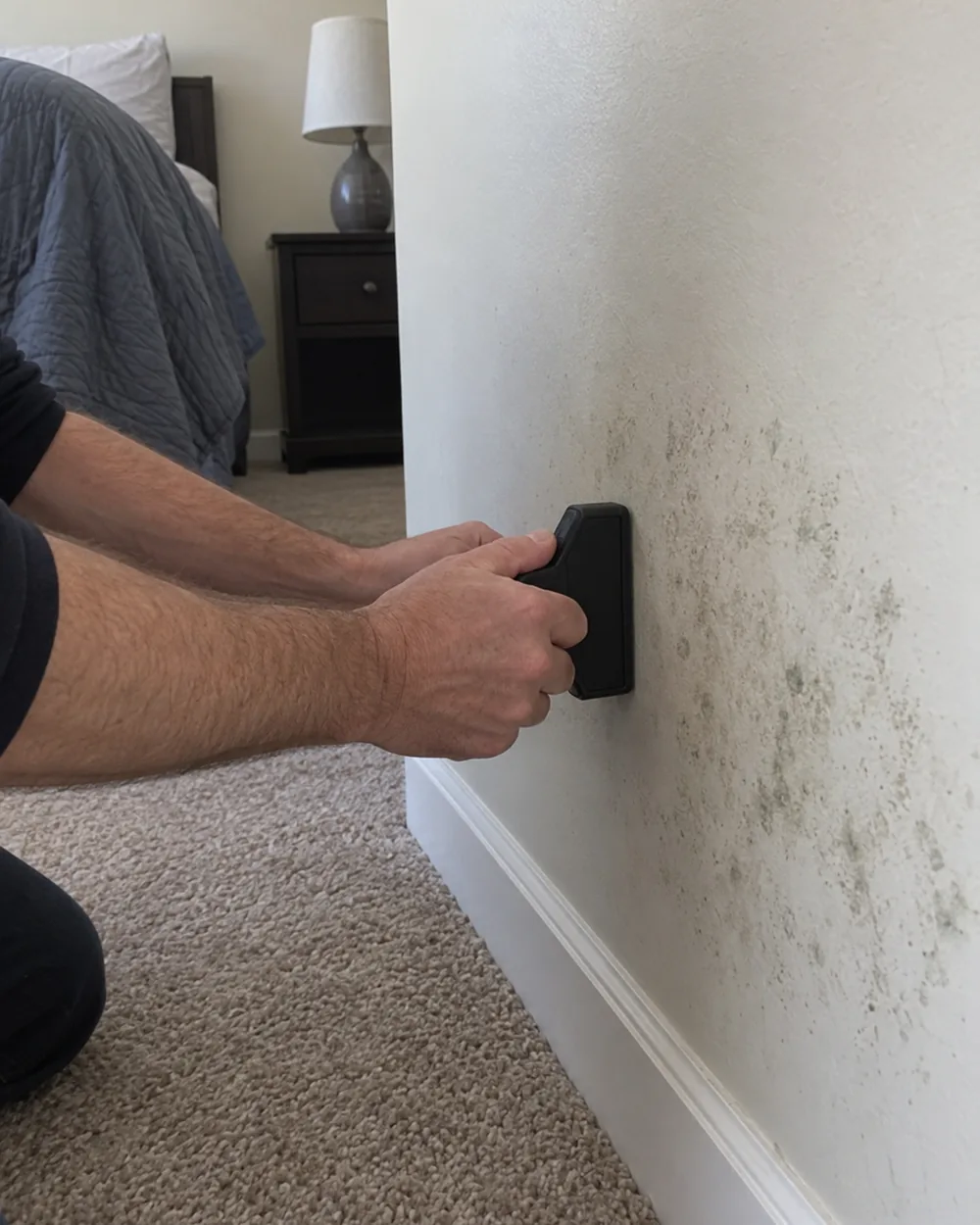
Documented clarity
You receive a straightforward summary of what was observed, where it was found, and what conditions likely caused it.
We document suspect areas so you can reference locations later and share details with a property manager, contractor, or insurer if needed.
We prioritize tracking moisture pathways and damp building materials, since controlling moisture is what prevents recurrence.
You get recommendations based on what matters most: stop the moisture source, address affected materials appropriately, and reduce humidity where needed.
We work carefully around belongings, use appropriate PPE, and keep the inspection organized and minimally disruptive.
You are working with a Cincinnati-based team, not a rotating dispatcher; your questions get direct answers.
Local property context
Mold conditions can vary a lot by building type and how the structure manages moisture.
Older housing stock and basements: Many Cincinnati neighborhoods have older homes with basements that were not designed to stay perfectly dry year-round. If gutters discharge too close to the foundation, grading slopes toward the home, or foundation walls stay damp after storms, you can end up with elevated moisture at lower walls and stored contents.
Apartments and multi-family buildings: Shared walls, stacked plumbing, and intermittent ventilation can make it harder to pin down a source. An inspection that documents moisture patterns by unit and by elevation can keep fixes targeted.
Homes with additions or finished basements: Transitions between old and new construction, hidden cavities, and finished surfaces can conceal damp materials. A proper inspection looks for staining patterns, checks likely entry points, and uses moisture readings to confirm what is wet.
If you are comparing providers, learn what to expect from a local team at Cincinnati Mold Removal.
What happens next
We start with what you have noticed—odor, visible growth, a recent leak, or a prior water event—and any areas you want prioritized.
We inspect the relevant rooms and adjacent areas, looking for staining, condensation patterns, and material conditions. Moisture readings help confirm where problems extend beyond the surface.
Before we leave, we walk you through what we saw, what looks like a true moisture driver, and what actions are most urgent.
You receive clear documentation and guidance so you can make decisions confidently, whether that means addressing a leak, improving ventilation, or planning additional work.
Inspection-based pricing
Mold inspection in Cincinnati typically ranges from about $250 to $650 for a standard home assessment, with larger homes, multi-unit buildings, or complex moisture investigations often running $650 to $1,200+. If sampling and lab analysis are needed, that usually adds cost per sample.
Final price depends on the size of the property, how many areas need investigation—such as a basement, attic, or multiple bathrooms—access to suspect locations, and whether moisture diagnostics and sampling are appropriate. Exact pricing is confirmed after you share the property details and the inspection scope is set.
Helpful answers
Most mold inspections take about 60 to 120 minutes on-site, depending on the size of the property and how many areas need investigation. A single-room concern is often quicker, while basements, attics, and multiple suspect areas take longer because we check adjacent materials and moisture conditions.
You do not always need testing; many situations can be assessed by identifying moisture sources and documenting visible conditions. Testing is most helpful when you need lab-confirmed information for decision-making, when growth is hidden but suspected, or when you need clearer differentiation between areas. We explain when sampling adds value so you are not paying for data you will not use.
Yes, odor-only cases are common and a mold inspection can still be productive. We look for moisture patterns, staining, condensation points, and conditions in enclosed spaces like basements, closets on exterior walls, around HVAC condensate lines, and under sinks where slow leaks can go unnoticed.
Keep access clear to the areas of concern and avoid running strong air fresheners or odor-masking products. If possible, do not disturb suspected growth. If there was a recent leak, note when it happened and what materials got wet so we can focus the investigation.
Yes, you will get clear next steps based on what we find, with priorities tied to moisture control and affected materials. That guidance may include fixing a leak or drainage issue, improving ventilation or dehumidification, or planning targeted work in specific areas rather than guessing at a whole-home scope.
Yes, an inspection can be scheduled for buyers, sellers, and agents when there is a concern flagged during showings or a general home inspection. In those cases, we focus on documenting conditions clearly and identifying likely moisture drivers so you can make timely decisions during a short contingency window.
Start with an onsite inspection
Tell us what you have noticed and where. We will schedule a thorough mold inspection in Cincinnati and give you documented findings with a practical plan for what to do next.