Containment built for the job
We use critical barriers, sealed doorways, and negative air when needed to keep spores and dust from spreading into clean areas.
Mold Remediation · Cincinnati, Ohio
Stop the spread, protect indoor air quality, and get a clear plan you can trust. Our technicians use proper containment and detailed cleanup so the problem is addressed at the source, not covered up.
Scope and warning signs
If you are searching for Cincinnati mold remediation, you are usually dealing with a musty odor, visible growth, or a past leak that never fully dried out. Mold problems in Cincinnati often trace back to moisture from roof leaks, plumbing failures, damp basements, and humid summer conditions that keep materials from drying quickly.
Cincinnati mold removal focuses on doing remediation the way it is supposed to be done: locate the moisture driver, isolate the work area, remove or clean contaminated materials using the right methods, and verify that the space is clean and dry enough to return to normal use. If you need a simple answer on whether the situation is manageable or requires professional containment, we can inspect and give you a written scope before work starts.
Many homes around Cincinnati include older framing and finished basements where hidden cavities can stay damp. In neighborhoods with a mix of older housing stock like Hyde Park and Mount Adams, small leaks can travel along plaster, brick, or wood framing before the damage is obvious. In areas with lots of basements such as Oakley and Northside, mold is frequently discovered behind stored items or inside finished walls after a minor seepage event. In newer or renovated pockets like Over-the-Rhine, mold can show up when tight building assemblies meet a ventilation or humidity issue. The fix depends on the building, not the zip code.
Professional remediation standards
We use critical barriers, sealed doorways, and negative air when needed to keep spores and dust from spreading into clean areas.
Remediation that ignores moisture fails. We identify the likely water source and the conditions that allowed growth so you can prevent a repeat.
Non-porous surfaces can often be cleaned and HEPA-detailed, while porous materials like drywall or insulation may need removal and proper disposal.
HEPA air scrubbers and HEPA vacuuming are standard tools for capturing fine particulate during and after removal work.
You get a straightforward scope: what areas are affected, what will be removed or cleaned, what containment is required, and what comes next.
We protect floors and contents, set up controlled pathways, and keep the jobsite organized so the rest of the property stays usable.
Inspection and remediation details
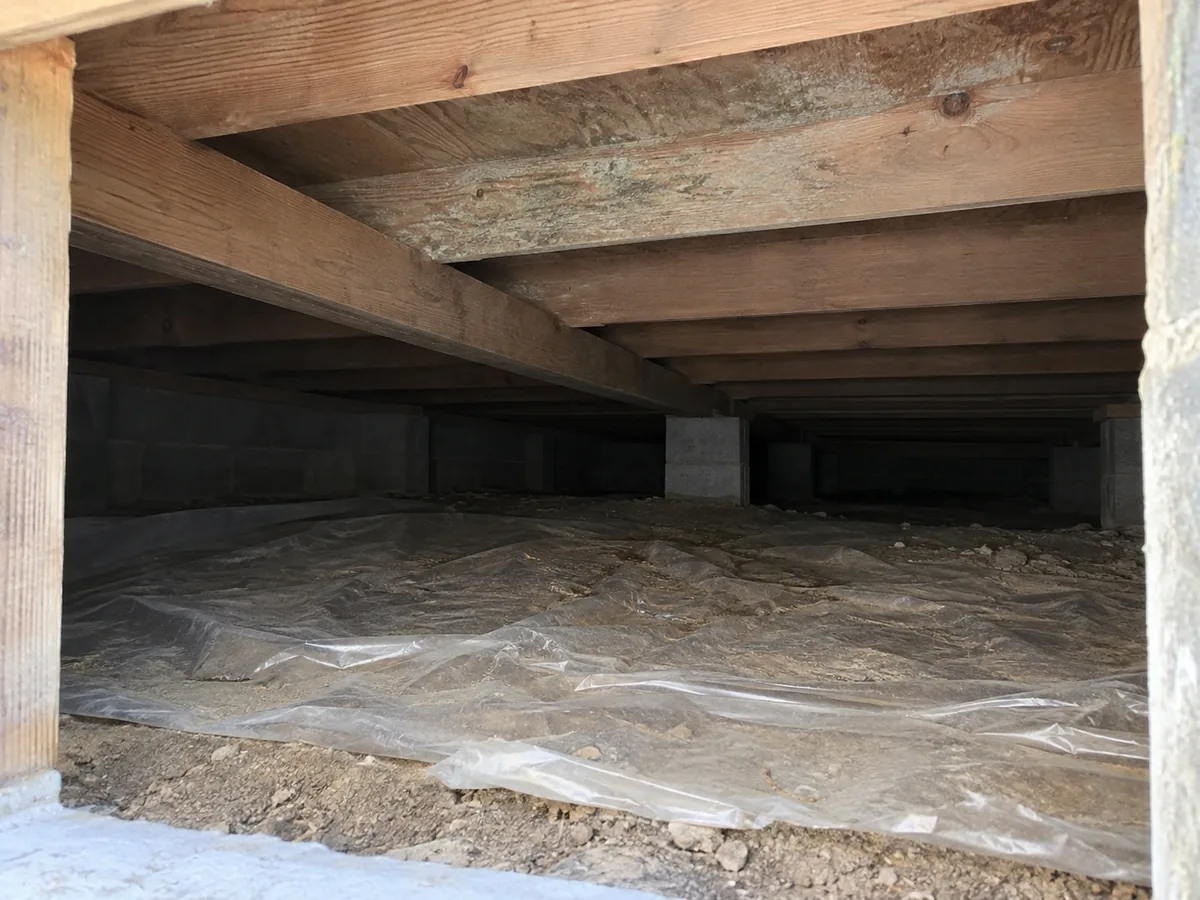
Most remediation starts with one question: where did the moisture come from, and how far did it travel? During inspection we look for visible growth, staining, odors, and likely pathways through wall cavities, soffits, and flooring.
Typical scenarios include:
We serve the Cincinnati area from 45217 and plan containment and access based on the property layout. If the issue is isolated, we can often keep daily life moving in the rest of the home while the work is contained.
If you are comparing providers, start with the fundamentals: Do they explain how they will contain the area, what they will remove versus clean, and how they will verify the space is dry? That is the difference between remediation and a surface wipe-down.
What happens next
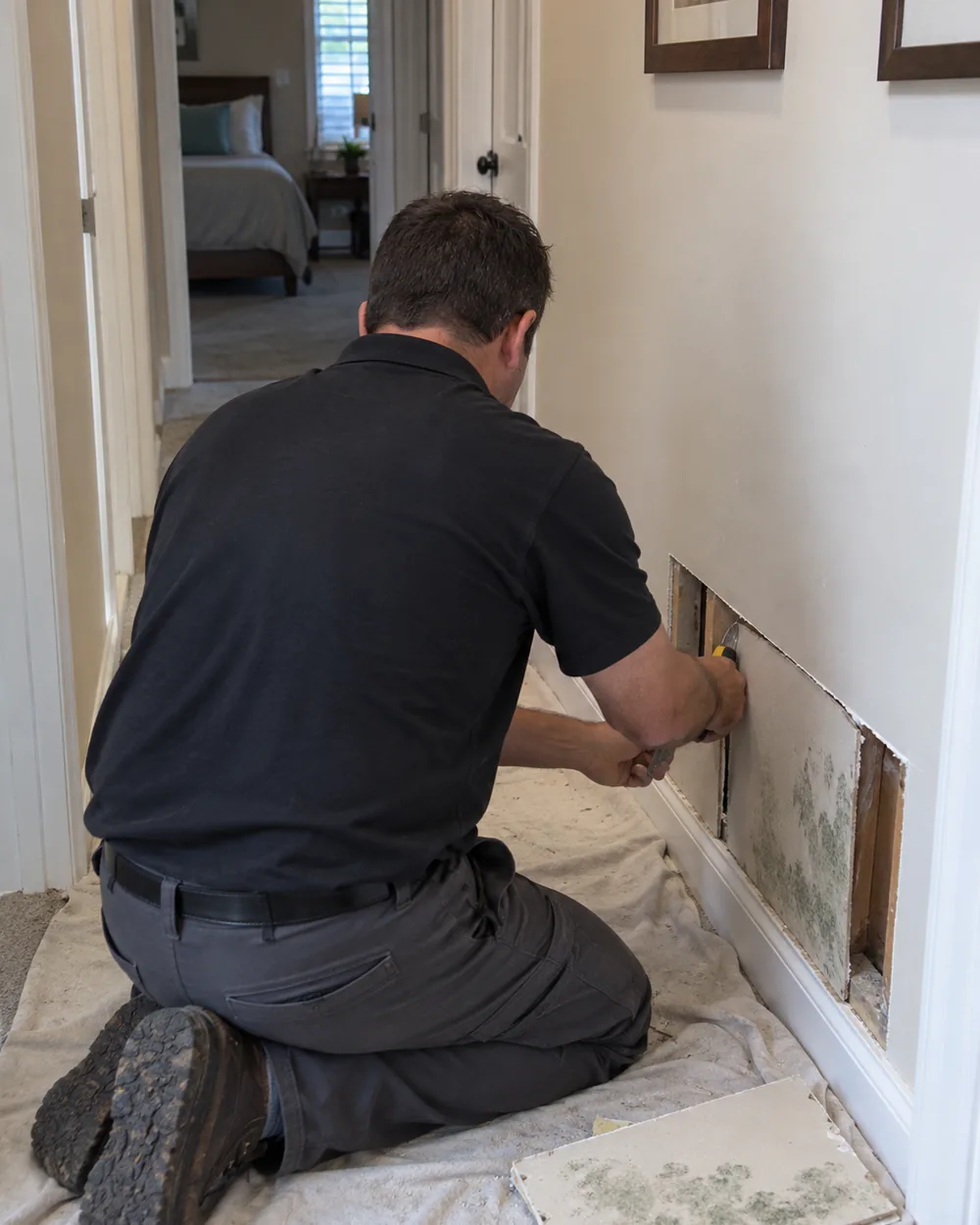
We assess the affected areas, look for likely moisture sources, and outline what needs to be contained, removed, cleaned, and dried.
We isolate the work zone with plastic barriers and establish negative pressure when appropriate. This is what limits cross-contamination.
Porous building materials that cannot be reliably cleaned, such as water-damaged drywall or insulation, are removed under containment and bagged out.
We clean remaining structural surfaces using mold-appropriate methods, followed by HEPA vacuuming and fine-detail wiping where required.
We address conditions that keep materials damp. Drying needs vary based on the space, airflow, and how long the issue has been present.
We remove containment carefully, do a final clean of adjacent areas if needed, and explain what to watch for going forward. If you are coordinating rebuild, we can note what areas are ready for repair.
Inspection-based pricing
Cincinnati mold remediation typically ranges from about $1,500 to $6,500 for many residential jobs, with smaller, well-contained areas sometimes closer to $800 to $1,500 and large or multi-room projects reaching $10,000+.
Your final cost depends on the size of the affected area, how much porous material must be removed, access such as attics, crawlspaces, or tight basement rooms, the level of containment required, and whether drying equipment is needed. The exact scope and price are confirmed after an on-site inspection.
Helpful answers
Start times depend on the size and risk level, but urgent situations like active leaks, strong odors, or visible growth near living areas are typically prioritized for the earliest available inspection and containment. Once we see the site, we can give you a realistic schedule based on access, drying needs, and how much material removal is required.
We handle both, but the approach changes based on the risk of spread. A small patch on a non-porous surface may only need targeted cleaning, while a similar-looking area on drywall can mean contamination inside the wall cavity and requires controlled removal. The inspection is where we determine the right level of containment and cleanup.
In many cases, yes, as long as the work area is properly contained and access is controlled. We plan the setup so clean rooms remain usable and the work zone stays under negative pressure when needed, which helps keep airborne particulate from migrating through the home.
Sampling is not required for every remediation, because visible growth and moisture conditions already justify corrective work. If testing is needed for documentation or a specific concern, we can discuss options during the inspection and coordinate the right kind of sampling for the situation.
The most common drivers are water intrusion, persistent humidity, and materials that stay cool and damp with limited airflow. Finished basement walls can hide dampness for a long time, especially when items are stored tight to the wall and the space does not dry quickly after a small seepage or plumbing issue.
Yes. Even after the source is repaired, contaminated porous materials may still need removal and the remaining structure often needs detailed cleaning and drying. Fixing the leak stops new moisture, but remediation addresses what grew during the wet period.
Yes. For rentals and multi-unit properties, the key is containing the affected unit and preventing cross-contamination in common areas. We can provide a clear scope for tenant communication, access planning, and coordination with maintenance or rebuild teams.
If it is safe, avoid disturbing the area and do not run fans directly at visible growth, since that can spread particles. Make note of any past leaks or recent water events and clear a path to the affected rooms, basement corners, attic access, or crawlspace entry so we can assess the full extent.
Choosing a contractor
Mold work is easy to describe and harder to do correctly. When you are comparing options in Cincinnati, ask questions that force a specific plan.
If you want background on our team and service area, Cincinnati Mold Removal provides an overview of how we approach inspections and project planning.
Start with an onsite inspection
Tell us what you are seeing and where it is showing up. We will schedule an inspection, explain what containment and cleanup are appropriate, and provide a written scope so you can move forward with confidence.