Moisture inspection and mapping
We check walls, floors, and framing with moisture meters and thermal imaging where helpful, then map a drying plan that matches what is actually wet.
Water Damage Services · Cincinnati, Ohio
When water gets into floors, drywall, or cabinets, time matters. We respond fast in Cincinnati to stop the spread, dry the structure correctly, and document the work so you can make clear decisions.
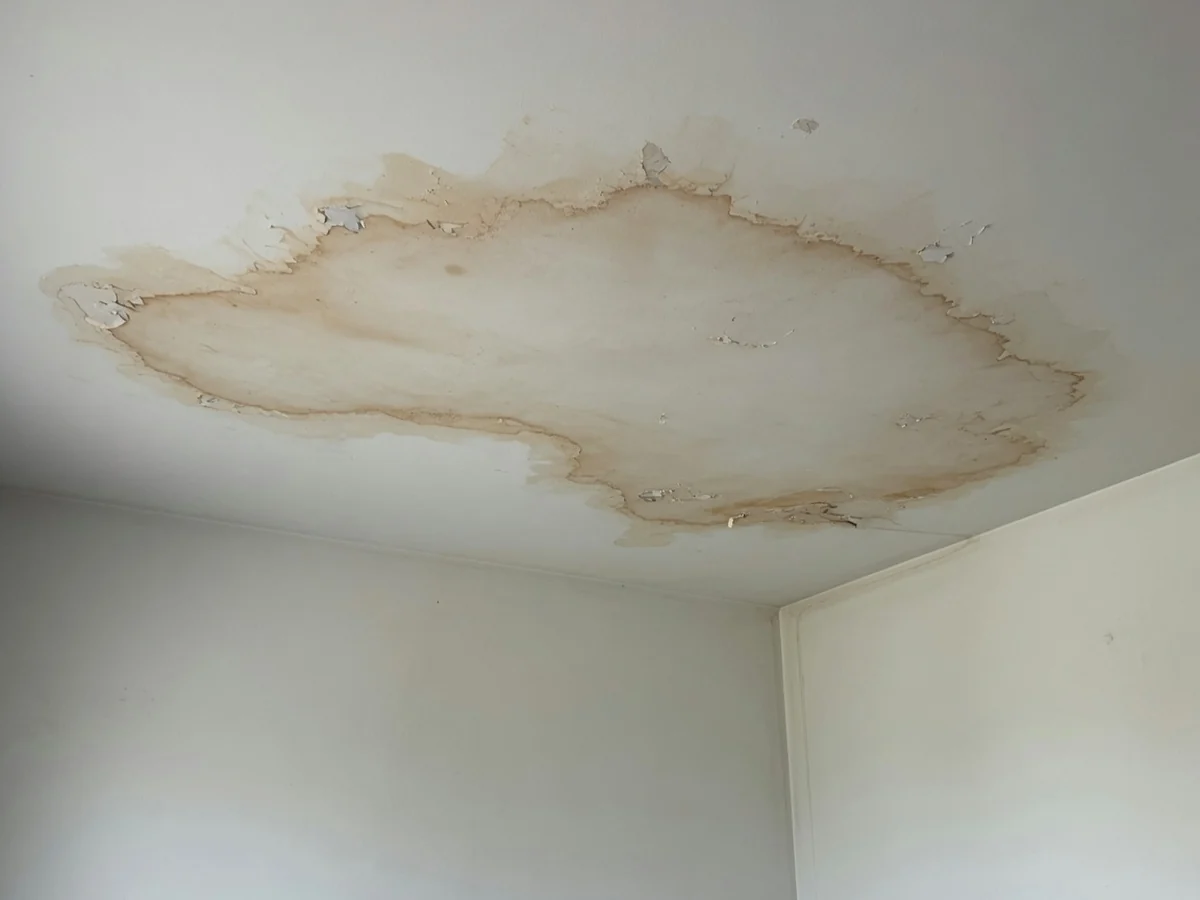
Scope and warning signs
If you are dealing with water damage Cincinnati Ohio property owners see every year, the first goal is simple: stop the source and keep moisture from soaking deeper into materials. The longer water sits, the more likely you are to face swollen baseboards, warped flooring, damaged insulation, and odors that point to microbial growth.
Our team at Cincinnati Mold Removal handles Cincinnati water damage work with a practical, jobsite-first approach: inspection, moisture mapping, extraction, controlled drying, and targeted removal of materials that cannot be saved. We work on clean water, gray water, and contaminated losses such as backups with appropriate containment and disposal methods.
Cincinnati's older housing stock in areas like Hyde Park, Oakley, and Pleasant Ridge often includes plaster walls, layered flooring, and tight cavities that hold moisture longer than expected. In places with many basements, including Westwood and Price Hill, seepage and foundation leaks can saturate studs and sill plates without looking dramatic at first. That is why we verify dryness with meters rather than relying on surface feel.
Protect the structure
In the first hour, small choices can prevent bigger repairs.
When we arrive, we treat your home like a controlled jobsite: we isolate wet zones, protect clean areas, and set drying equipment based on readings. That structure matters whether you have a small kitchen supply leak or a multi-room loss.
If mold removal may also be necessary, we explain what is appropriate after drying and what is unnecessary based on what we actually measure.
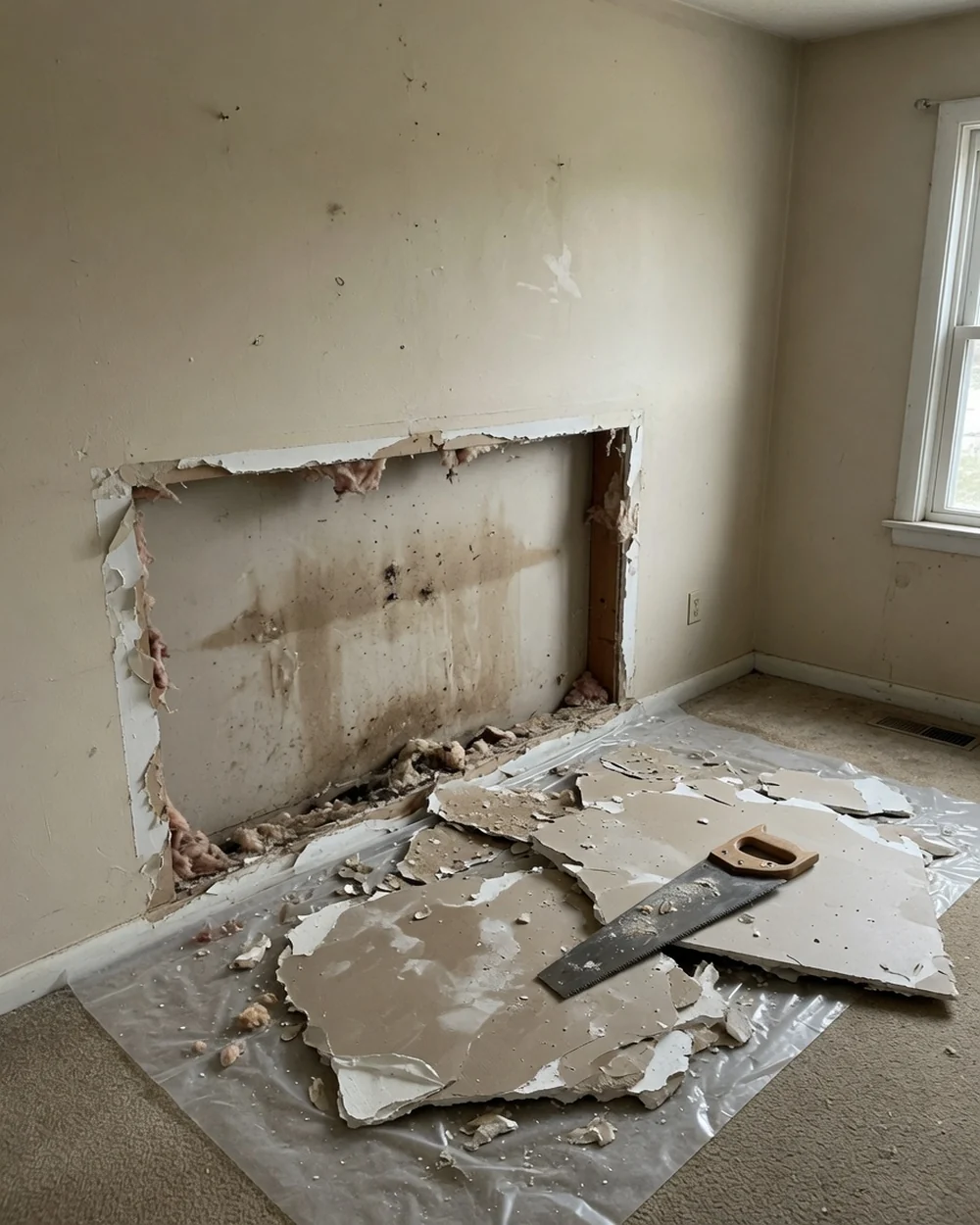
Cleanup and drying scope
We check walls, floors, and framing with moisture meters and thermal imaging where helpful, then map a drying plan that matches what is actually wet.
We extract standing water and remove materials that cannot be dried safely or cleanly, such as swollen drywall, soaked insulation, or contaminated carpet pad.
Air movers and commercial dehumidifiers run in a measured setup. We adjust placement as moisture readings change, not on a fixed schedule.
For backups and other contaminated losses, we isolate the area, follow safe handling practices, and dispose of affected materials properly.
After drying, we verify target materials are dry and address odor sources tied to moisture, not just cover-ups.
You get a written scope, photos, and drying notes so you can coordinate repairs or an insurance claim with fewer back-and-forth questions.
What happens next
We locate the water source category, check for electrical concerns, and identify what materials are affected, including drywall, hardwood, subfloor, insulation, and framing.
We take baseline readings, define dry goals for the structure, and plan airflow and dehumidification so moisture is pulled out instead of pushed around.
Standing water is extracted first. If materials cannot be salvaged or are contaminated, we remove them in a controlled way to open cavities for drying.
Air movers and dehumidifiers are set based on the room layout and readings. We monitor progress and adjust equipment placement as drying progresses.
We confirm dryness with meters, remove equipment, and explain what comes next for repairs. If microbial growth is present, we outline the appropriate remediation scope.
Inspection-based pricing
Water damage restoration in Cincinnati typically ranges from about $900 to $6,500+, depending on how far the water traveled and what materials are affected. A smaller, clean-water loss limited to one area is often at the lower end, while multi-room drying, basement saturation, or contaminated water such as a backup can push costs higher.
Price is driven by the category of water, the amount of demolition needed to access wet cavities, equipment days for dehumidifiers and air movers, and whether contents need handling. The exact cost is confirmed after an on-site inspection and moisture mapping.
Helpful answers
You should start professional drying as soon as the water source is stopped and the area is safe, ideally the same day. Moisture can wick into drywall, insulation, and subfloors quickly, and the longer it sits the more demolition is usually needed to reach trapped water and dry the structure correctly.
Yes. Basement losses often involve hidden moisture in sill plates, studs, and stored contents, so we focus on moisture mapping, extraction, and opening cavities where needed to dry what you cannot see. Basements in Cincinnati commonly need careful monitoring because cooler, enclosed areas can dry unevenly without a planned airflow path.
Cleanup focuses on extraction, drying, removing unsalvageable materials, and verifying the structure is dry; restoration is the rebuild work that follows, such as new drywall, flooring, trim, and paint. Many clients want drying and documentation handled first so repair decisions are based on confirmed moisture readings, not guesswork.
Yes, we can provide the documentation insurers typically ask for, including photos, moisture readings, equipment logs, and a written scope of work. Coverage depends on your policy and the cause of loss, but clear documentation makes it easier to explain what happened and what was required to dry the structure.
Some materials can be dried in place if readings show the moisture is limited and air can reach the wet layers, but others need removal to prevent trapped moisture. We make that call based on the material type, water category, and meter readings, then explain the tradeoffs before work moves forward.
Many projects dry in about 3 to 5 days, but the real timeline depends on how saturated the materials are, how quickly the water was stopped, and whether cavities need to be opened. We track progress with moisture meters and adjust equipment, then verify dryness before equipment is removed.
Mold removal is not automatic, but it is common when materials stayed wet long enough for growth or when contaminated water is involved. The right next step depends on inspection findings and moisture history, and we will tell you plainly when drying is enough and when remediation is appropriate.
Start with an onsite inspection
Tell us what happened and what areas are wet, and we will lay out the next steps, what can likely be saved, and what needs to be removed for safe drying.