Basement flooding and seepage
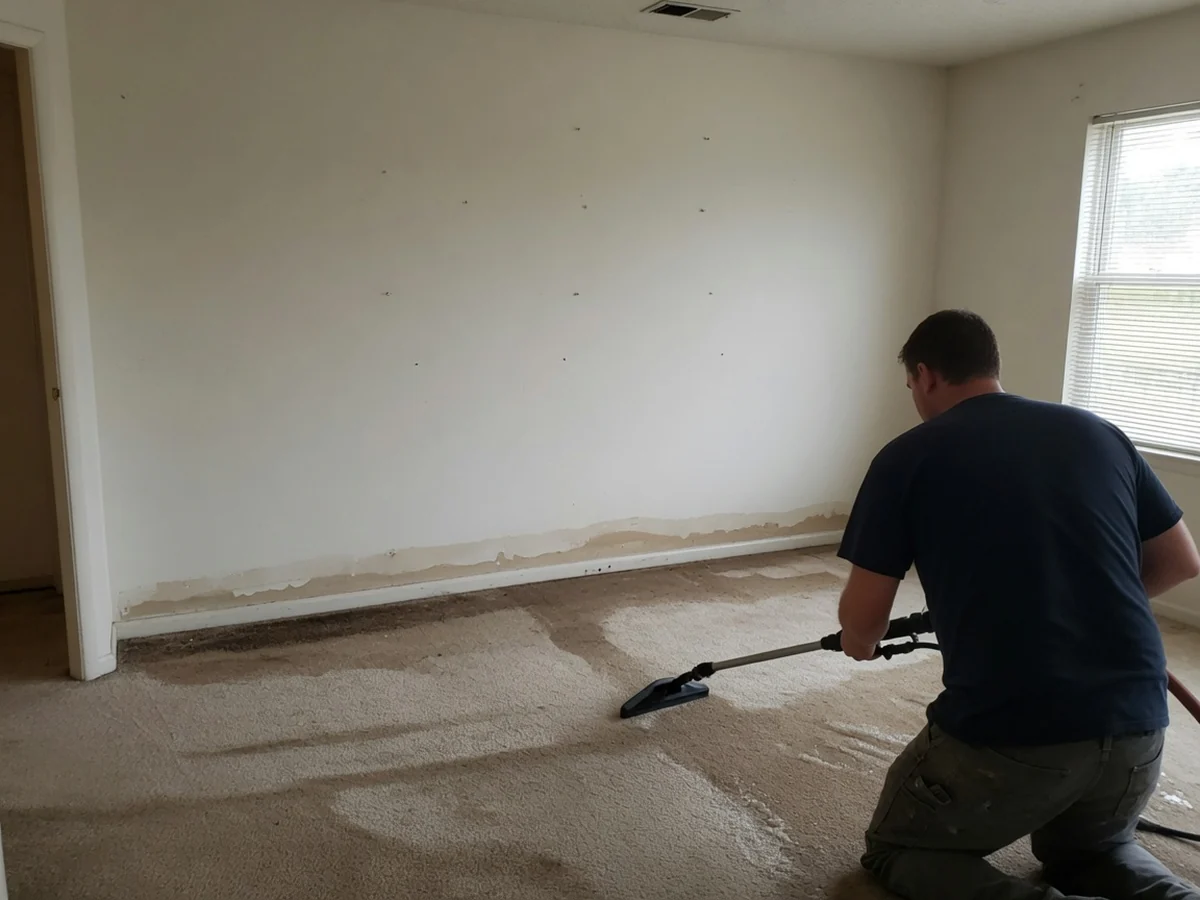
We extract standing water, dry concrete and framing, and address saturated drywall or flooring so the lower level can be safely finished again.
Water Damage Restoration · Cincinnati, Ohio
Fast response for flooded basements, burst pipes, and appliance leaks. We remove water, dry the structure, document the loss, and rebuild what was damaged so your home is safe to live in again.
Scope and warning signs
Water damage restoration Cincinnati Ohio homeowners rely on is a coordinated set of steps: stop the source, remove water, dry the structure, clean and sanitize affected areas, and repair or rebuild materials that cannot be saved. The goal is to get moisture out of the building assembly, not just off the surface.
In Cincinnati, water problems often show up in basements and lower levels after heavy rain, around older plumbing, or from everyday failures like a supply line to a washer or ice maker. Even a small leak can spread into drywall, insulation, subfloors, and behind baseboards. That trapped moisture can lead to warping, staining, odor, and microbial growth. A proper restoration plan focuses on moisture measurements and controlled drying so you are not left with hidden damage weeks later.
Cincinnati Mold Removal handles water damage restoration in Cincinnati, OH for residential properties and small commercial spaces. If you also want background on who we are and the area we serve, you can start with Cincinnati Mold Removal.
Restoration scope
We extract standing water, dry concrete and framing, and address saturated drywall or flooring so the lower level can be safely finished again.
After the plumbing issue is stopped, we map moisture migration—often into wall cavities—and dry with dehumidification and air movement designed for the materials present.
We handle water removal, controlled drying, sanitation, and documentation, then coordinate repairs so the area is usable again.
Dishwashers, washers, and refrigerator lines frequently soak subfloors and cabinets. We determine what can be dried in place and what needs removal.
Overflowing tubs or upstairs leaks can saturate insulation and ceiling drywall. We protect unaffected areas and dry cavities to avoid recurring stains and odor.
Inspection and remediation details
A reliable cincinnati oh water damage restoration job is built on measurement, documentation, and a drying plan that matches the structure. We start with a walkthrough to identify the source and the likely path the water took. Then we use moisture meters and thermal imaging (as appropriate) to define the affected footprint, including areas that still look fine.
Next comes water extraction and demolition only where it is necessary for drying or safety. For many clean-water incidents, materials can be saved if drying begins early and airflow is properly managed. For contaminated water, such as backup water, removal and sanitation requirements are different, and we will explain what must be discarded.
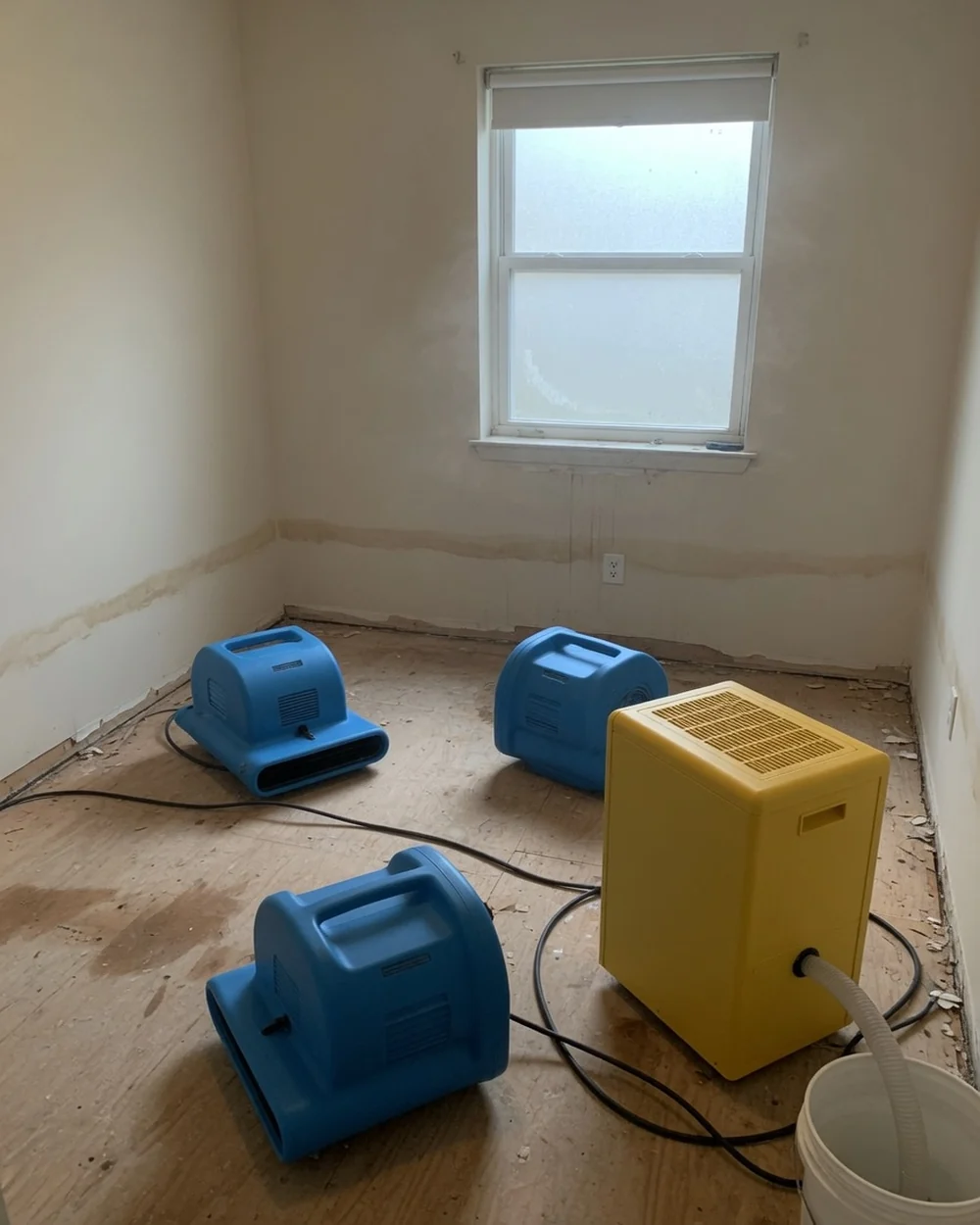
Drying is not a one-size-fits-all fan setup. We stage air movers and commercial dehumidifiers, set containment if needed to control airflow, and monitor moisture until readings stabilize back to dry standards for the material. Once the structure is dry and clean, we can move into the repair phase so you are not stuck living with open walls and missing flooring.
What happens next
We confirm the water source is stopped and flag hazards like wet electrical areas, compromised ceilings, or slip risks. If a temporary shutoff or isolation step is needed, we outline it before work begins.
We extract standing water, move or protect contents when possible, and set up floor and pathway protection to limit tracking moisture through the home.
We identify wet materials and cavities, then build a drying strategy around the structure: drywall, plaster, hardwood, subfloor, and insulation all behave differently.
Equipment is placed for controlled evaporation and humidity control. We re-check moisture levels and adjust placement until the area reaches dry targets.
Depending on water category and affected materials, we clean and sanitize surfaces, address odors at the source, and remove debris generated by necessary demolition.
After dry-out, we repair or rebuild impacted areas—drywall, trim, flooring, and paint—so the space returns to pre-loss condition as closely as practical.
Inspection-based pricing
Water damage restoration in Cincinnati typically ranges from about $1,200 to $6,500+, with small clean-water incidents in one room often landing near the low end and multi-room losses with demolition and rebuild costing more. A basic extraction and dry-out is usually less than a project that includes drywall removal, flooring replacement, and finish work.
Final pricing depends on the water category—clean versus contaminated—how far water traveled into walls and floors, the days of drying required, access, contents handling, and what materials must be removed. The exact cost is confirmed after an on-site inspection and moisture mapping.
Field conditions
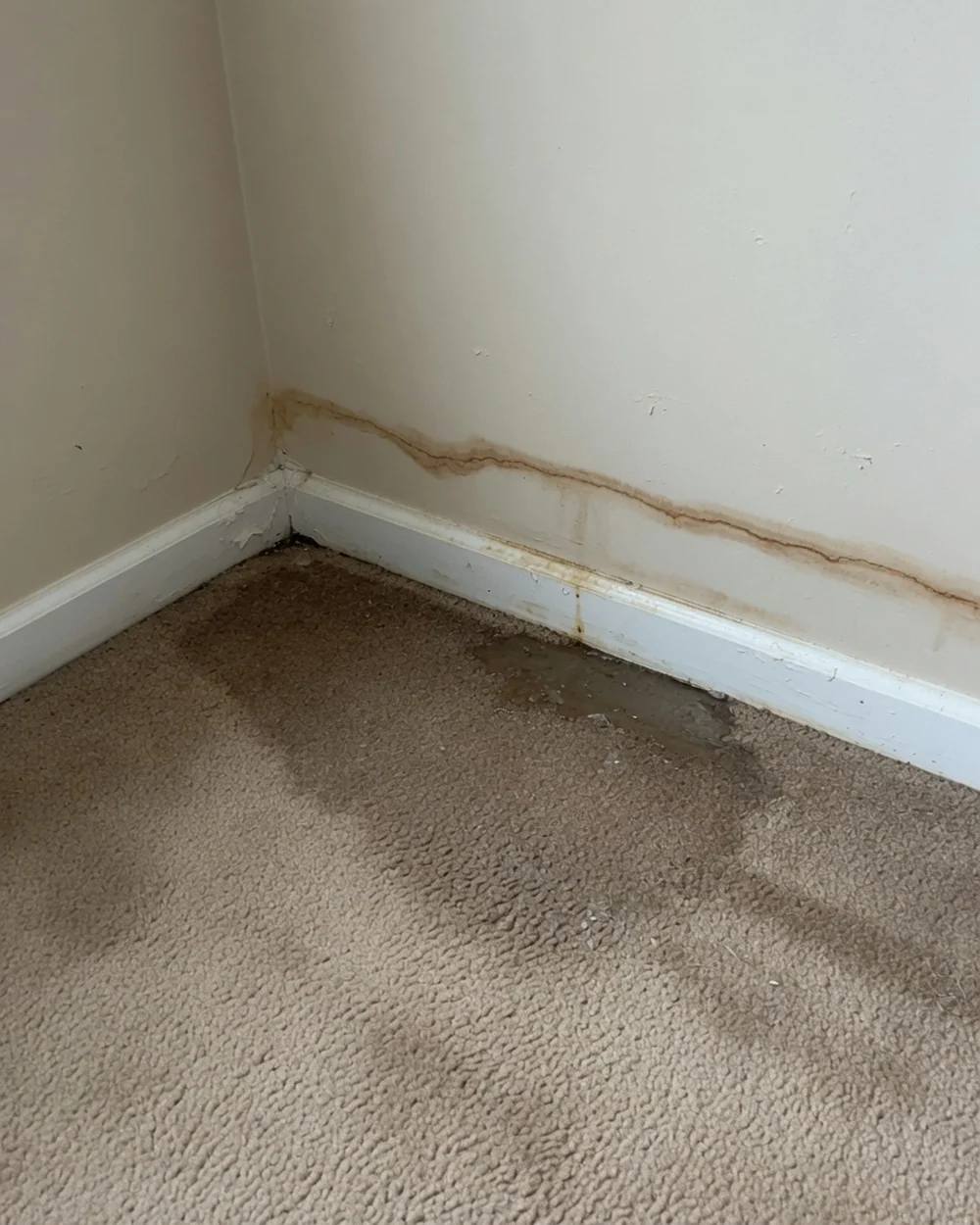
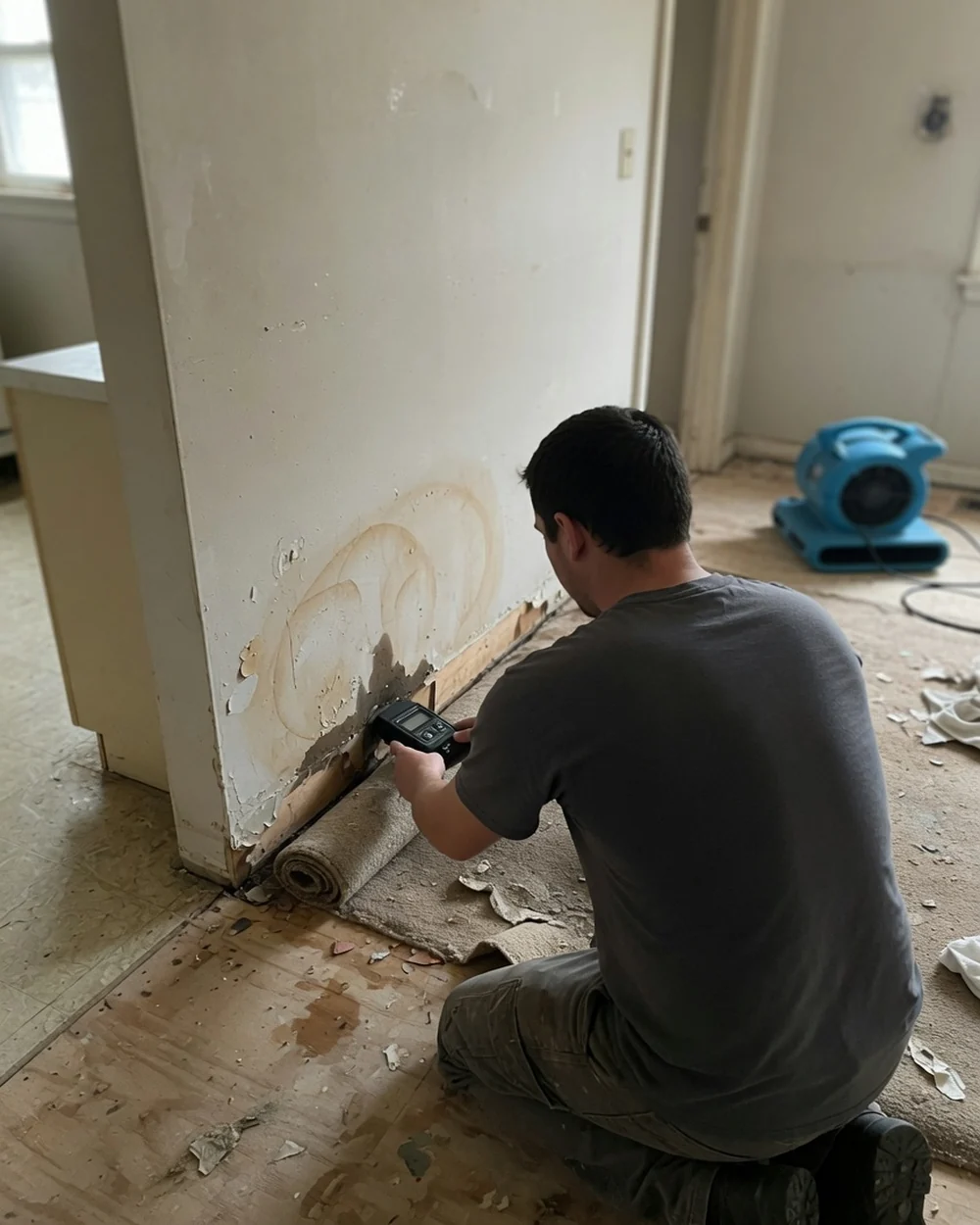
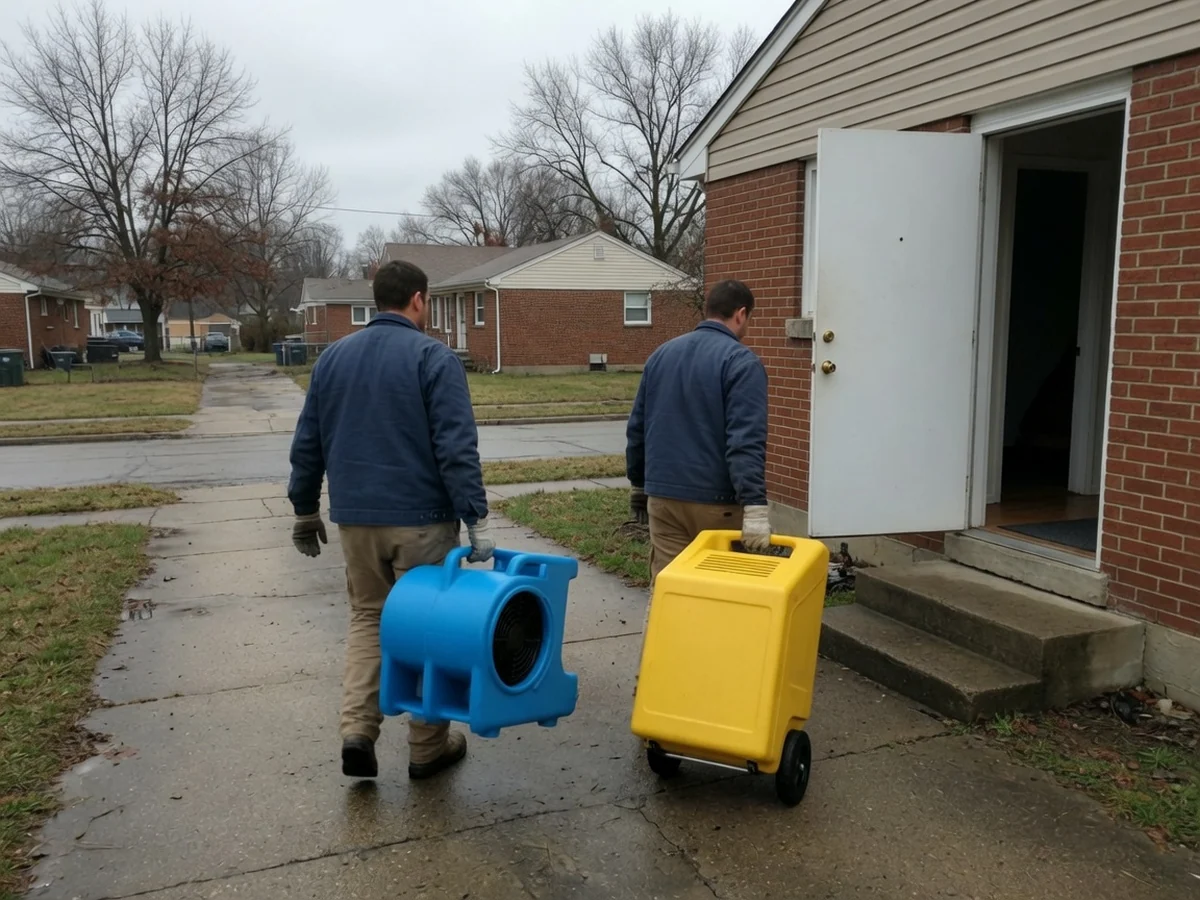
If you have wet drywall, bubbling paint, warped flooring, or a musty smell after a leak, getting the structure inspected early is the simplest way to prevent hidden damage and reduce the amount of tear-out needed.
Helpful answers
In many situations we can begin same-day or next-day, depending on current demand and the severity of the loss. Fast start matters because water can wick into drywall and flooring quickly, so we prioritize active leaks, standing water, and situations where ceilings or electrical areas may be affected.
Yes, we can document the loss with moisture readings, photos, equipment logs, and a written scope that helps support an insurance claim. Coverage depends on your specific policy and the cause of loss, so we focus on clear documentation and a restoration plan that stands on its own.
Water removal is extraction of standing water, while full restoration includes drying the structure, monitoring moisture, cleaning and sanitizing as needed, and repairing materials that cannot be saved. If water reached wall cavities, insulation, or subfloors, extraction alone often leaves moisture behind.
Sometimes, yes, especially when drying begins early and the water was clean. We check moisture levels in the wood and subfloor, look for cupping or buckling, and determine whether drying in place is realistic or whether sections need removal to prevent long-term warping.
Only if it is required to dry the assembly properly or if the material is contaminated or deteriorating. We make that decision based on moisture mapping and the water category, then explain what must come out and what can be dried and restored.
Many residential dry-outs take 3 to 5 days, but timelines vary with how saturated materials are, temperature and humidity conditions, and whether water is trapped in cavities. We monitor moisture during the job and remove equipment when readings show the structure has returned to dry targets for the affected materials.
Yes, with the correct safety controls and disposal steps. Contaminated water requires different handling than clean supply-line leaks, and some porous materials typically must be removed rather than dried in place; we will outline what that means for your specific situation during the inspection.
Start with an onsite inspection
Tell us what happened and what areas are wet. We will schedule an on-site inspection, map the moisture, and give you a clear scope for water removal, dry-out, cleanup, and restoration.