A sampling plan based on the building
We choose sample types and locations based on moisture sources, airflow patterns, and where growth commonly hides, not a one-size-fits-all checklist.
Mold Testing · Cincinnati, Ohio
Get clear, documented results from a professional inspection and sampling plan, plus straightforward next-step guidance based on what we find.
Scope and warning signs
If you are seeing staining, smelling a persistent musty odor, or dealing with recurring headaches and allergy-like symptoms that improve when you leave the house, mold testing can turn suspicion into an answer you can act on. A good test is not just a single sample. It is an inspection-led plan that ties what you see—and what you cannot see—to where, how, and what to sample.
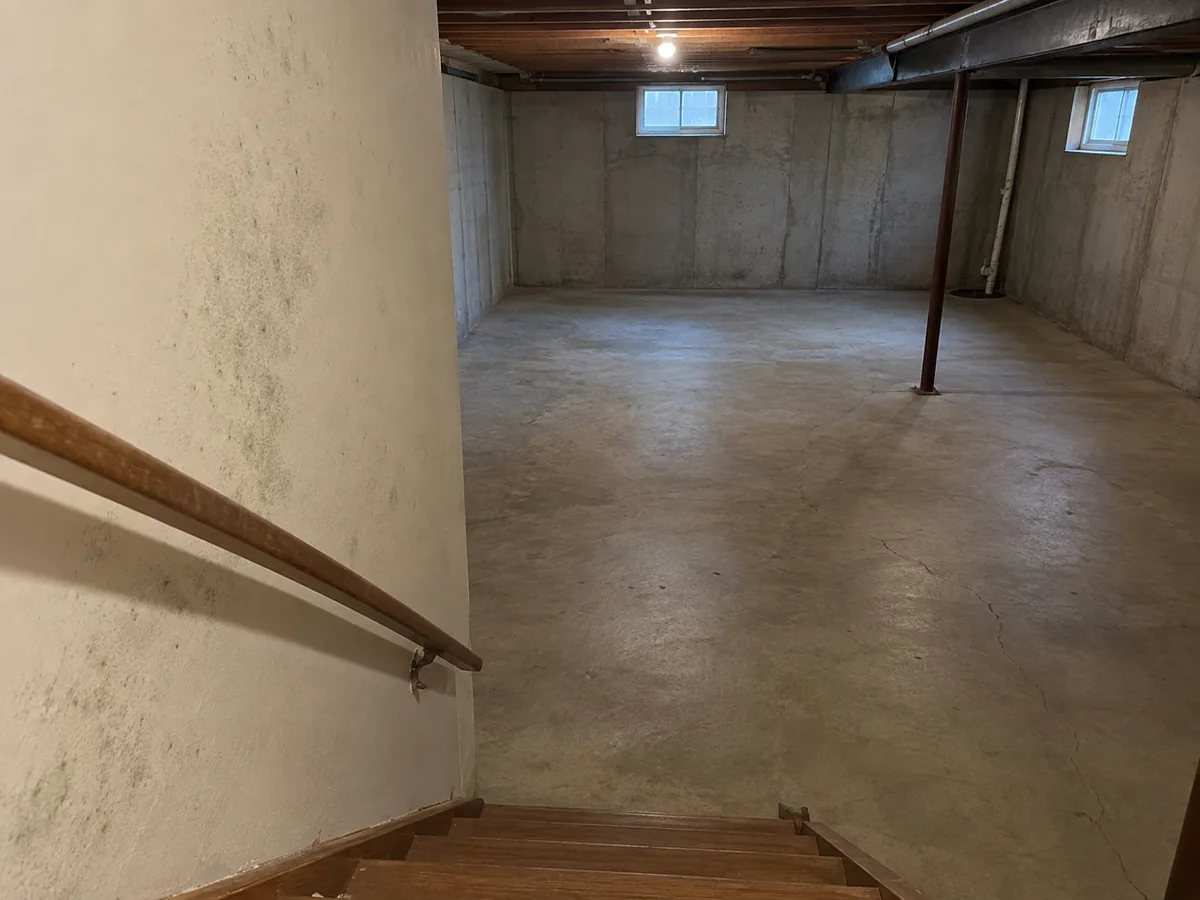
In Cincinnati, moisture problems often start in the lower levels. Many homes in the region have basements, and even small foundation seepage, a past plumbing leak, or a damp crawlspace can create the conditions mold needs. Testing is also common after a roof leak, a bathroom exhaust problem, or a sump pump failure, and the results can help define the scope of Cincinnati mold removal.
You will get the most value from a mold test when there is a decision to make: whether to open a wall, whether a recent leak dried properly, whether an HVAC system is spreading spores, or whether a real estate transaction needs documentation. If you already know there is extensive visible mold and damaged materials, testing may still help define the affected areas and guide scope, but the inspection findings will drive the plan.
Inspection and sampling
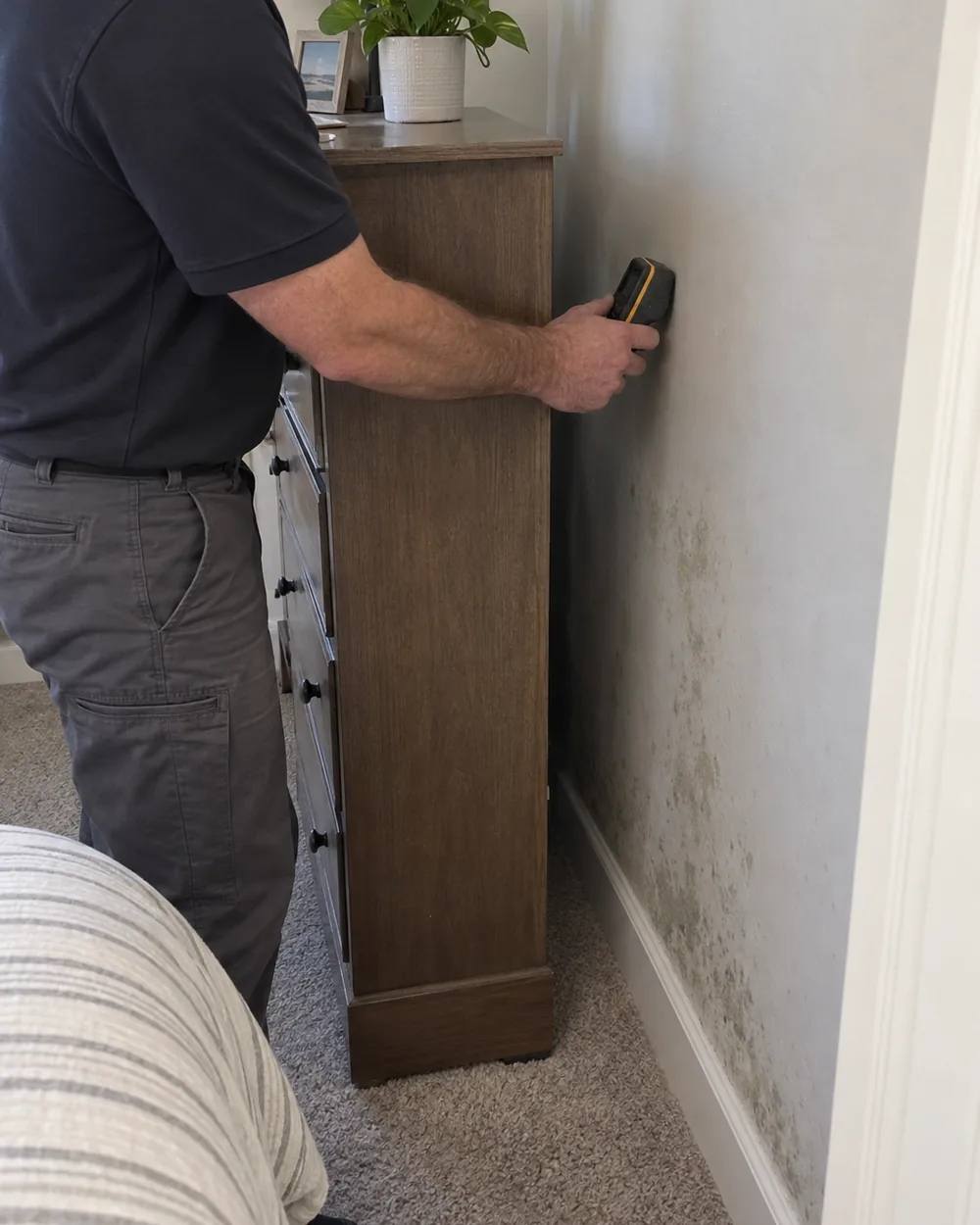
We start by walking the property with you and listening to the story: when the odor started, what changed, where water entered, and what cleanup has already been attempted. Then we inspect the areas most likely to hold moisture and growth: basements and lower-level storage, around bathrooms and kitchens, window sills, behind furniture on exterior walls, and near HVAC returns.
A professional mold test in Cincinnati typically combines several tools:
We do not guess based on one reading or one room. The goal is to answer practical questions: Is mold likely present? Where is it most concentrated? Is it limited or widespread? What building materials are involved?
If you are looking for a provider that handles both testing and the next steps, Cincinnati Mold Removal can help you move from results to a clear plan. You can also get a broader overview of how we support homeowners across mold removal in Cincinnati.
Useful results
We choose sample types and locations based on moisture sources, airflow patterns, and where growth commonly hides, not a one-size-fits-all checklist.
An outdoor control sample helps interpret indoor air results and reduces false alarms when seasonal spore counts are high.
Lab results matter only when translated into practical meaning: likely sources, affected zones, and what to do next.
If you need records for a buyer, seller, or property manager, we document observations and sampling locations in plain language.
If results point to active growth, we explain what materials typically need removal, what can be cleaned, and how to avoid spreading spores.
Local property context
Mold needs moisture, a food source like paper facing on drywall or dust on framing, and time. The moisture source is the part that changes from home to home, so we focus the inspection on the building's risk areas.
Basements and lower levels are a common trouble spot in Cincinnati. Even when there is no standing water, high humidity, small seepage points, or an old leak that never fully dried can keep materials damp. Finished basements add another layer of risk because water can move behind drywall, baseboards, and flooring before you notice.
Older housing stock in established neighborhoods can also create hidden pathways for moisture. Plaster walls, layered renovations, and older windows sometimes conceal long-term condensation issues, especially behind furniture on exterior walls.
We also pay close attention to bathrooms and laundry areas. Missing or undersized exhaust fans, vent ducts that terminate improperly, and slow plumbing leaks can feed mold in wall cavities. If an HVAC system is involved, we look for clues that spores are being distributed through returns and supply airflow, and we sample accordingly.
The bottom line: a mold test Cincinnati residents can rely on starts with a careful look at how the home handles water and humidity. That is what makes the lab results meaningful.
What happens next
You tell us what you are noticing, what rooms are affected, and whether there was a known leak, flooding, or recent renovation.
We inspect suspect areas, look for moisture intrusion and condensation patterns, and identify the best sampling locations.
We collect samples based on what we see. Air samples are often paired with an outdoor control, and surface samples target visible staining or suspected growth.
Samples are submitted to a lab for identification and counts by spore type, then compiled into a report.
We explain what the findings mean in plain language and outline practical next steps, whether that is moisture correction, targeted cleanup, or a larger remediation scope.
Inspection-based pricing
Mold testing in Cincinnati typically ranges from about $250 to $750, depending on how many areas need sampling and whether the test includes air samples, surface samples, or both. A simple inspection with limited sampling is usually at the lower end, while larger homes, multi-level concerns, or real-estate documentation with multiple sample locations tend to run higher.
Final pricing depends on the number of samples, access to suspect areas such as attics, crawlspaces, or behind finishes, and whether we need to isolate multiple zones to pinpoint a source. The exact cost is confirmed after the on-site inspection and the sampling plan is set.
Helpful answers
Most on-site mold testing appointments take about 60 to 120 minutes, depending on the size of the home and how many areas need inspection and sampling. A focused concern in one room is faster than tracing a moisture source across multiple levels or checking a finished basement with several rooms.
A mold test can strongly suggest where the problem is, but the source is confirmed by combining results with the inspection and moisture readings. Air results alone rarely pinpoint a leak; that is why we moisture-map materials and look for building conditions that keep areas damp.
If the mold is clearly visible and the affected materials are obvious, the most important step is controlling the moisture and addressing the damaged materials. Testing is still useful when you need to define the boundaries of a hidden problem, document conditions for a transaction, or verify whether multiple areas are involved.
Yes. A real-estate mold test usually focuses on documentation, clear sample location notes, and results that can be shared with the parties involved. Timing matters in transactions, so it helps to schedule as soon as a concern is raised, especially if there is a tight inspection window.
Keep windows closed for a normal period before sampling, avoid heavy cleaning or disturbing suspect areas right before the visit, and share any past leak or flood history you know about. If you recently used ozone, fogging, or strong antimicrobials, tell us, because those can temporarily change air sample readings.
A DIY kit can show that mold spores exist, but it usually cannot tell you whether the counts are elevated for your conditions or where the problem is originating. Professional mold testing ties sampling to an inspection, includes an outdoor reference when appropriate, and gives you next steps that match the building conditions.
Lab turnaround is often a few business days, depending on the lab and sample type, and we review the report with you once it is back. If timing is critical for a move-in, a closing date, or a contractor schedule, mention that when you book so we can plan sampling and lab submission accordingly.
Start with an onsite inspection
Tell us what you are seeing and where. We will schedule a professional mold test, explain the results in plain language, and help you understand the safest next step for your home.