Water extraction that matches the situation
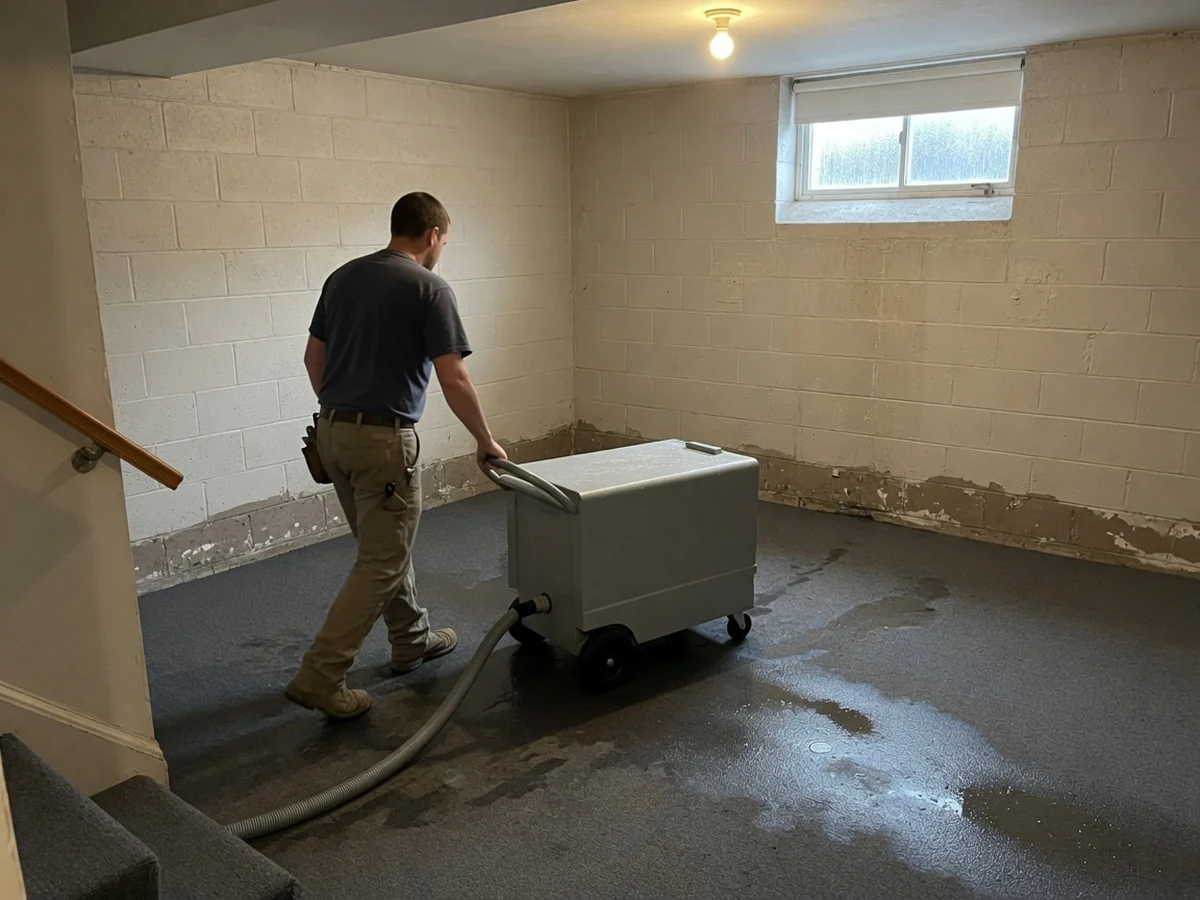
Truck-mounted or portable extraction for standing water, plus targeted removal under flooring and around baseboards where water hides.
Water Restoration · Cincinnati, Ohio
When water gets into drywall, floors, and framing, time matters. Our local team responds fast, documents what happened, and restores your property with professional drying, careful removal, and repair-ready results.
Scope and warning signs
If you searched for water restoration Cincinnati Ohio, you likely need more than a shop vac and a few fans. Real restoration means stopping the moisture source, removing water, drying the structure, and preventing secondary damage like swelling wood, delaminated flooring, rusted fasteners, and hidden moisture behind walls.
Cincinnati properties add a few common wrinkles. Older housing stock and finished basements are common across the city, and when water reaches below-grade spaces it can travel under carpet tack strips, behind baseboards, and into wall cavities without showing much on the surface. In denser areas such as Over-the-Rhine, access and parking can slow down DIY hauling and disposal, so having a crew that arrives with the right equipment and a clear plan helps the job move.
Cincinnati Mold Removal provides water restoration Cincinnati services designed for the full lifecycle of a loss: emergency water removal, structural drying and dehumidification, selective demolition when materials cannot be saved, and a clean handoff for repairs. If you also suspect microbial growth after a leak or flood, our team can advise on next steps and explain how we approach moisture-related problems overall.
Restoration scope
Truck-mounted or portable extraction for standing water, plus targeted removal under flooring and around baseboards where water hides.
Air movers, LGR dehumidifiers, and containment as needed to dry materials at a controlled pace and reduce the risk of damage from prolonged moisture.
We use moisture meters and thermal imaging checks where appropriate to confirm what is wet, what is drying, and when areas reach an acceptable dry standard.
Removing water-damaged drywall, insulation, carpet pad, or swollen materials when drying alone will not restore them, then preparing the space for rebuild.
Photos, readings, and notes that explain what happened and what work was performed, useful whether you are paying out of pocket or working with insurance.
Immediate response
The first few hours after water damage shape the entire outcome. If it is safe, shut off the water source—or power to the affected area if water is near outlets—and move valuables and electronics out of harm's way.
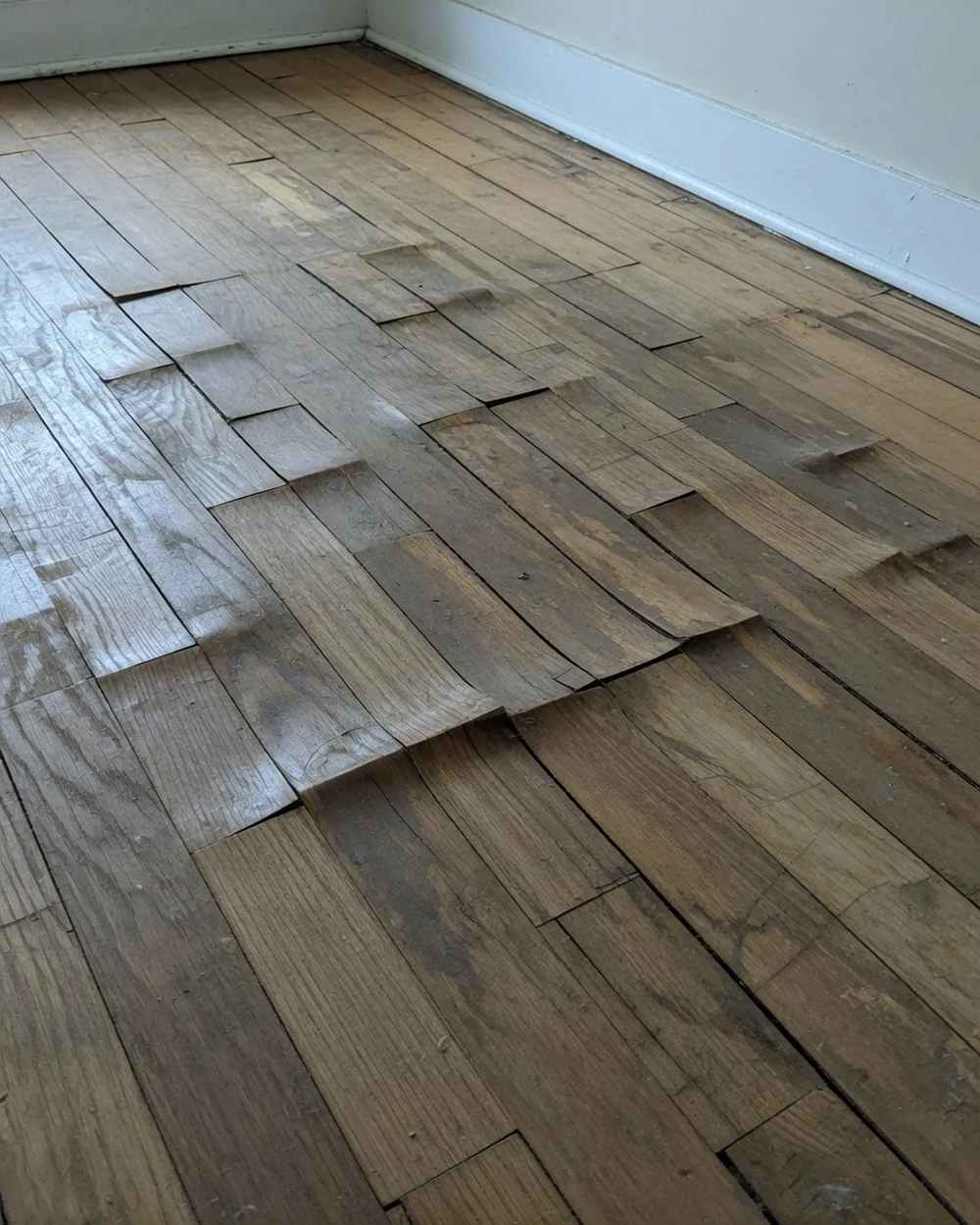
After that, focus on limiting spread. Water wicks into drywall edges, wood trim, and seams in laminate and engineered floors. The longer moisture stays trapped, the more likely you are to face warping, odor, and hidden dampness that keeps returning.
A restoration crew's early priorities are straightforward: extract standing water, remove materials that will hold moisture—often pad or baseboards, depending on the loss—establish airflow patterns, and start dehumidification. We also check adjacent rooms and lower levels, because water frequently migrates along framing, under thresholds, and through penetrations.
If you are in a neighborhood with lots of older plaster and lath walls, common in parts of Hyde Park and Walnut Hills, drying strategies often differ from newer drywall because moisture behaves differently and access can be limited. The goal is the same either way: get you to verified dry conditions so repairs can begin with confidence.
What happens next
We identify the water source, look for electrical and slip hazards, and map affected materials using moisture meters. This defines the scope so drying is targeted instead of guesswork.
We extract standing water, then remove only what must come out to allow drying: for example, saturated pad, compromised drywall sections, or wet insulation that cannot be dried in place.
We set air movers and dehumidifiers to create consistent airflow and humidity control. Equipment is adjusted based on readings, not a fixed number of days.
We re-check moisture content and relative humidity during the drying phase, focusing on common trouble spots like sill plates, wall bottoms, and beneath floor coverings.
After drying, we clean the work area, remove equipment, and provide documentation of what was done so repair work can start on stable, dry materials.
Inspection-based pricing
Water restoration in Cincinnati typically ranges from about $1,500 to $7,500+, depending on how far water traveled and what materials must be removed and replaced. A small, contained leak with limited drying needs may fall on the low end, while a basement or multi-room loss with demolition and extended dehumidification lands higher.
Final price depends on the category of water, the square footage affected, how long materials stayed wet, flooring type—carpet, hardwood, or tile—access and parking, and whether drywall, insulation, or baseboards require removal. The exact cost is confirmed after an on-site inspection and moisture mapping.
Helpful answers
In most situations we can begin the same day, and the first visit focuses on stopping spread with extraction and a proper drying setup. Cincinnati traffic and access can affect timing, especially in dense areas like Downtown and Over-the-Rhine, but quick extraction and early dehumidification are the priorities we plan around.
Most drying takes about 3 to 5 days, but the real answer depends on materials, how long they were wet, and whether water is trapped behind finishes. We rely on moisture readings and humidity control, not a calendar estimate, because a basement slab, plaster walls, and layered flooring all dry at different rates.
Yes, water restoration Cincinnati Ohio projects often involve basements, and the work typically starts with extraction and moisture mapping along wall bottoms, corners, and under stored items. If water entered from outside or returned after rain, we can document what we find and advise on practical next steps for preventing repeat events.
Sometimes, but only if moisture levels can be brought down safely and the materials are structurally sound. Wet insulation often needs removal, and drywall may need to be opened at the bottom to dry framing properly; we confirm decisions with measurements so you are not paying to keep materials that will fail later.
Yes, we can provide photos, moisture readings, and a clear description of the work performed so the claim file reflects what happened and what was required to dry the structure. Coverage depends on your policy and the cause of loss, but good documentation helps reduce back-and-forth.
Yes. When water is potentially contaminated, for example from a sewer backup, restoration may require containment, removal of porous materials, and specific cleaning steps before drying continues. We will explain the category of water we are dealing with and what that changes in the scope.
Start with an onsite inspection
Tell us what happened, what areas are affected, and when the water started. We will provide a written scope, explain the drying plan, and help you get back to a clean, repair-ready space.